Resources
Evidence-based guides on operations, compliance, clinical documentation, and technology. Written for the people who run residential care.
33 articles · Updated weekly

A comprehensive technology evaluation checklist for compliance officers in residential care — 50+ evaluation criteria across audit trails, access controls, regulatory reporting, data governance, and AI safety.
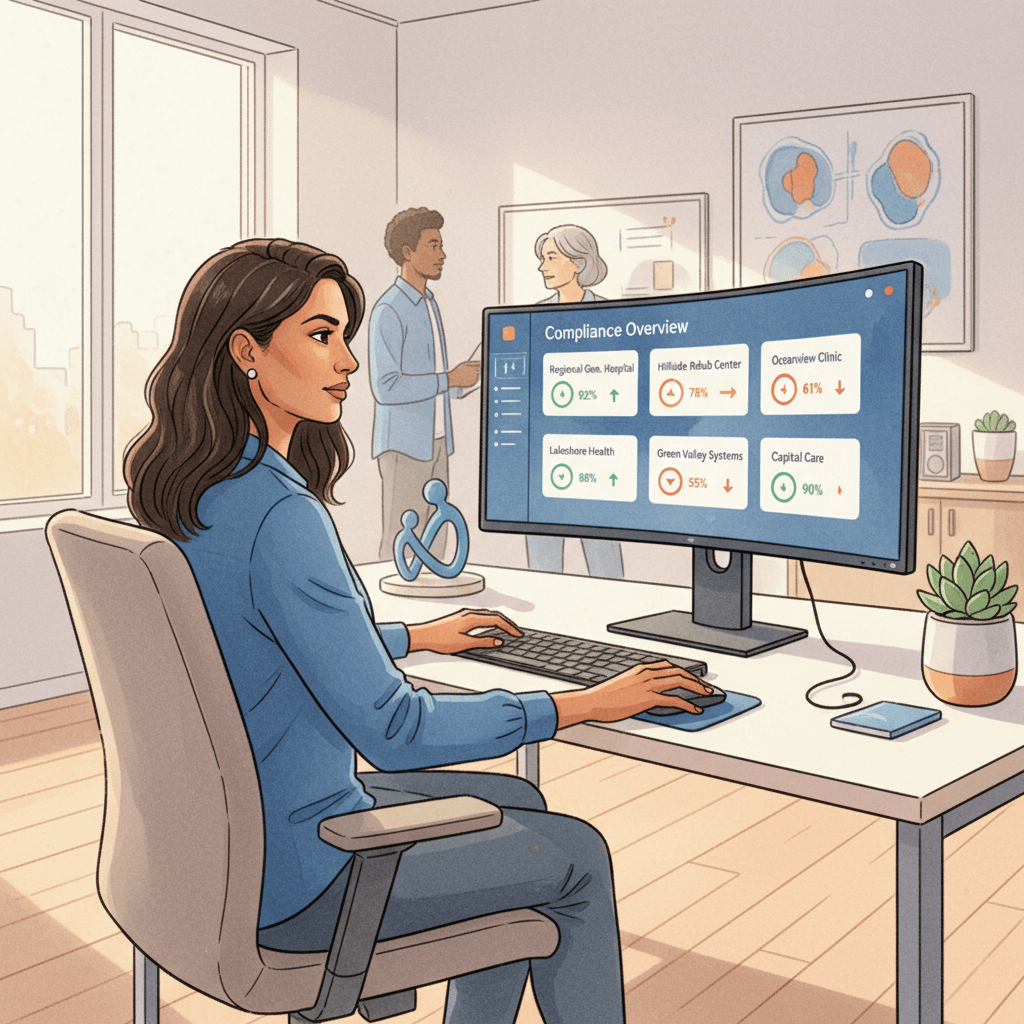
How multi-site residential care operators manage compliance consistently across facilities with different care types, regulatory requirements, and operational maturity — centralized governance with local flexibility.
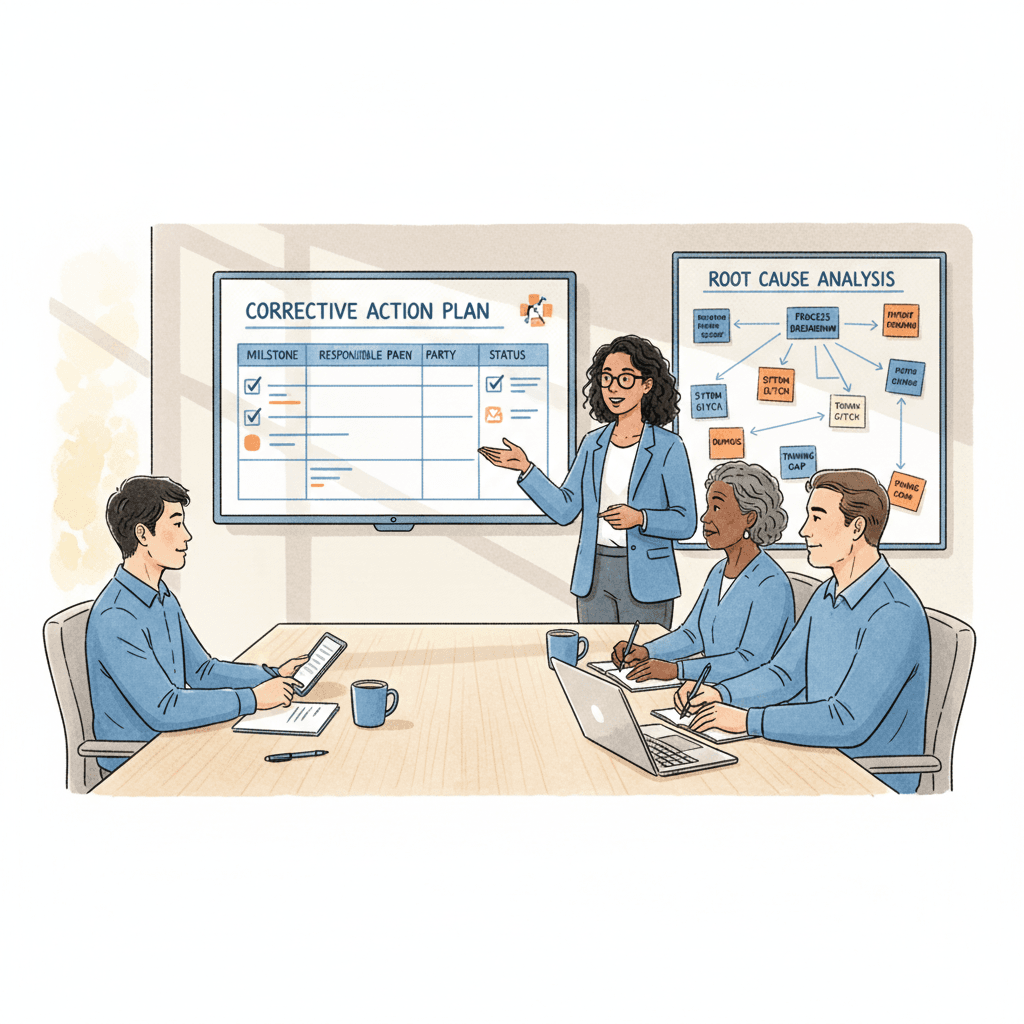
How to write corrective action plans that regulators accept and that actually fix problems — root cause analysis, SMART corrective actions, implementation tracking, and evidence of sustained resolution.

How residential care providers document, authorize, review, and minimize restrictive practices — jurisdiction-specific requirements, authorization workflows, and technology for comprehensive restrictive practice governance.

How to build and sustain a quality improvement program in residential care — PDSA methodology, quality indicators, committee structure, and the connection between QI programs and regulatory survey outcomes.
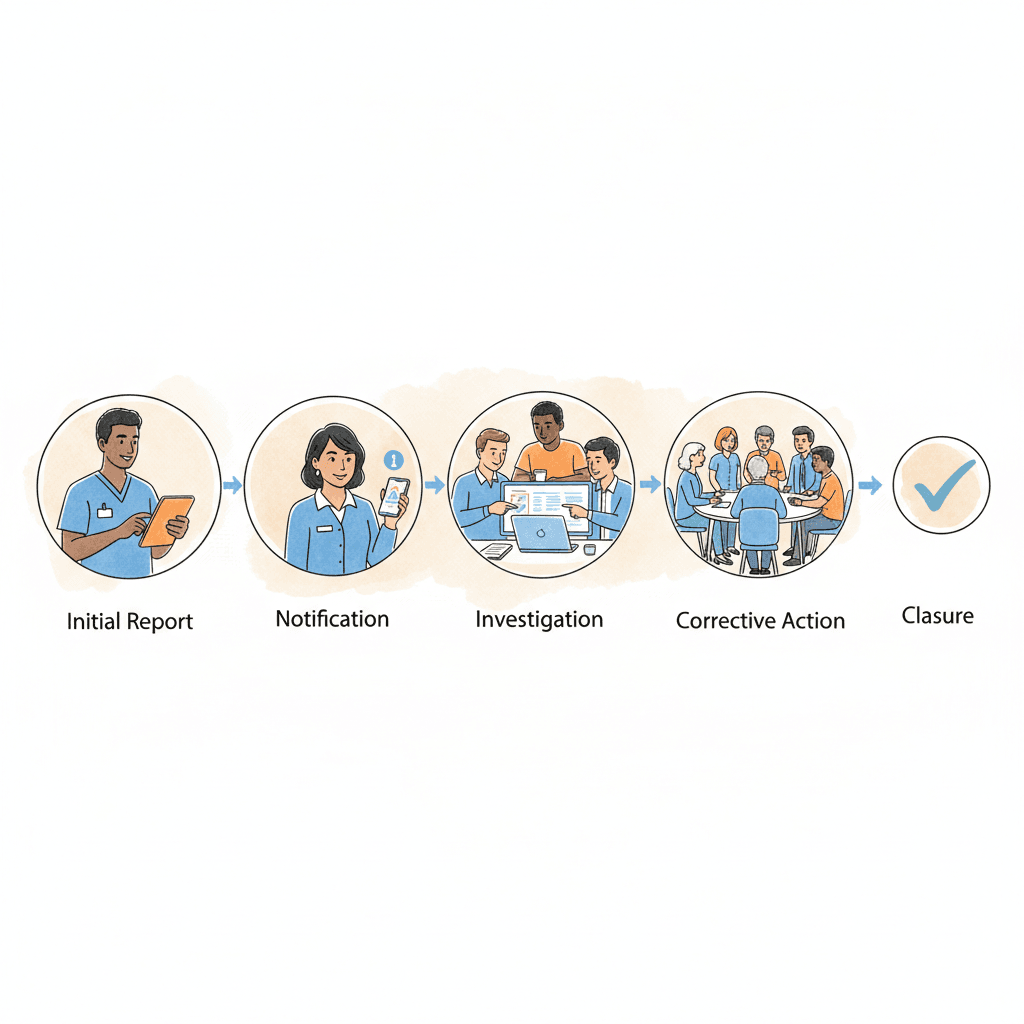
How to design incident reporting workflows that meet regulatory requirements across jurisdictions — from initial report to investigation, corrective action, and closure — with notification timelines, escalation protocols, and technology automation.

How to design and maintain audit trails that protect your organization during regulatory investigations, litigation, and quality reviews — what to log, how to store it, and what makes an audit trail legally defensible.
Stay informed
Join 500+ operations directors, compliance officers, and clinical leaders who read Harmony Insights.
Monthly insights for residential care operations leaders. No spam.
A year-round survey readiness framework for residential care providers — monthly compliance cycles, self-audit checklists, documentation standards, and technology systems that keep you audit-ready every day, not just before inspections.
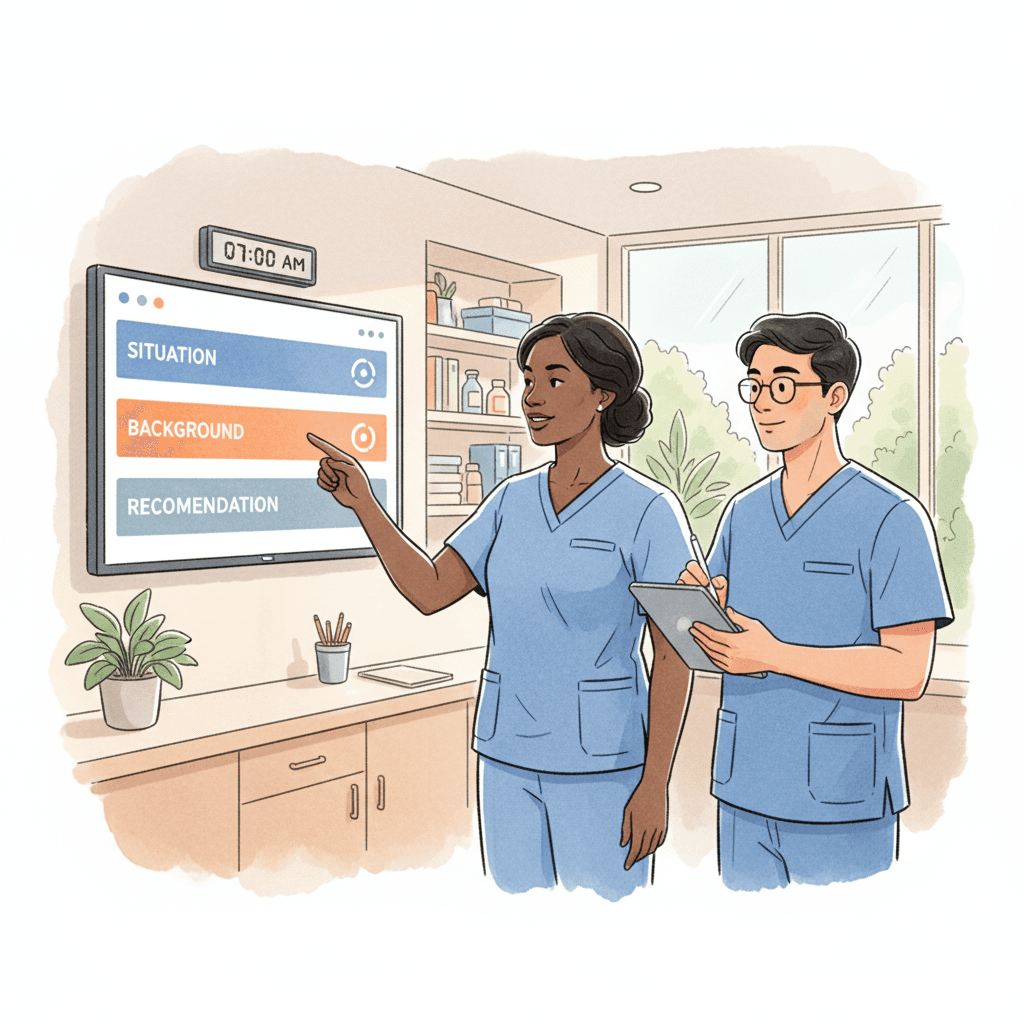
Ready-to-use clinical handoff documentation templates for residential care — SBAR-RC format, critical information checklists, and digital handoff tools that ensure nothing falls through the cracks during shift changes.
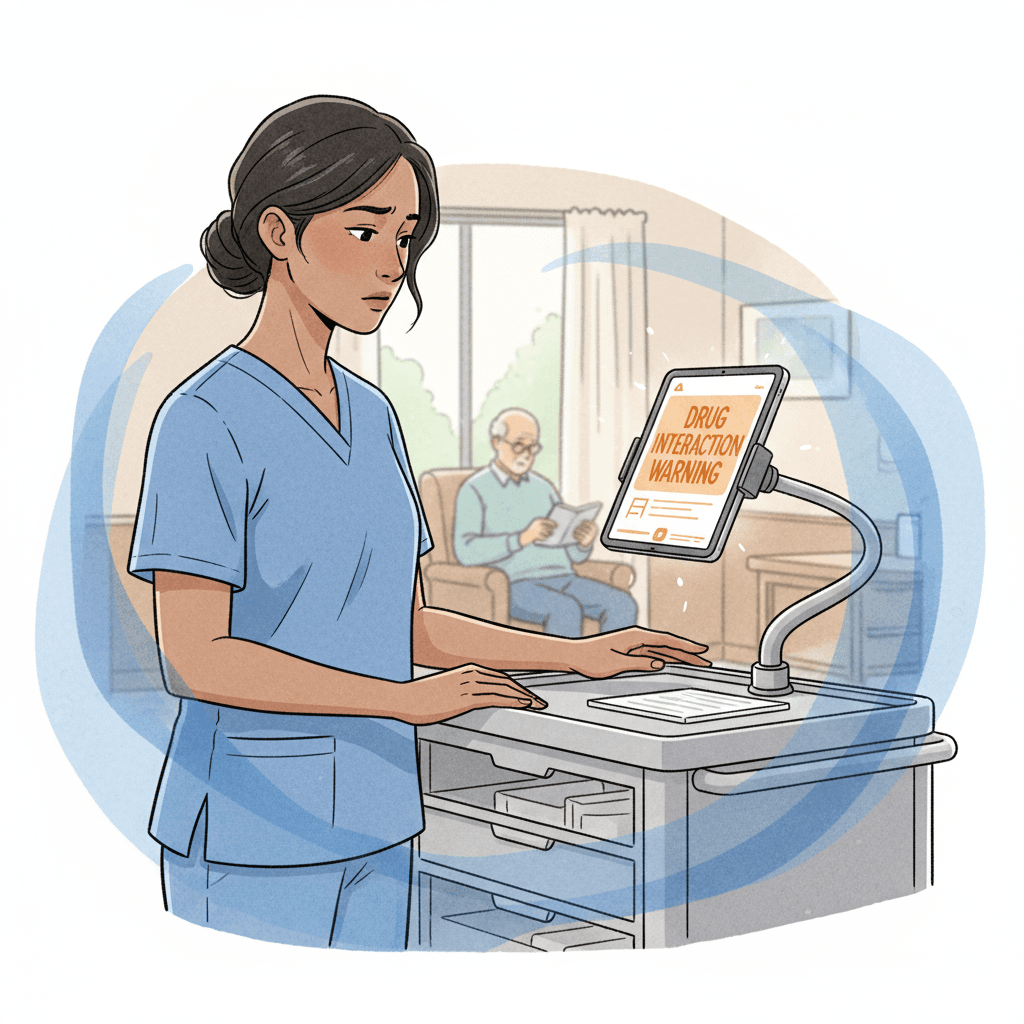
Evidence-based strategies for reducing medication errors in residential care — root cause analysis of common error types, prevention systems, technology safeguards, and building a safety culture that catches errors before they reach residents.

Navigate Australia's Aged Care Quality Standards — evidence requirements, self-assessment strategies, and maintaining continuous compliance in residential aged care.
Essential guidance on NDIS reporting requirements and restrictive practice documentation for Australian disability service providers — compliance frameworks, reporting obligations, and behavior support planning.
Understanding Quebec's Loi 25 (Law 25) privacy requirements and broader Canadian privacy compliance for residential care operators handling personal health information.
Navigate the complexities of provincial health regulations for residential care in Canada — from Ontario's FLTCA to BC's CCALA, with practical compliance strategies.

What regulatory auditors and surveyors actually evaluate in incident reports — the 12 elements of a defensible incident record, common documentation failures, and how to build incident reporting workflows that satisfy regulators without overwhelming staff.
A comprehensive guide to preparing for CQC inspections — evidence generation, five key questions alignment, and maintaining continuous compliance in UK residential care.
Comprehensive guidance on safeguarding documentation for UK care providers — incident recording, local authority notifications, decision trails, and building defensible safeguarding records.
A practical guide to CMS compliance documentation requirements for US residential care providers — survey preparation, F-tag documentation, and maintaining continuous compliance readiness.

How multi-state residential care operators maintain compliance consistency, standardize documentation, and manage regulatory variation across state lines.
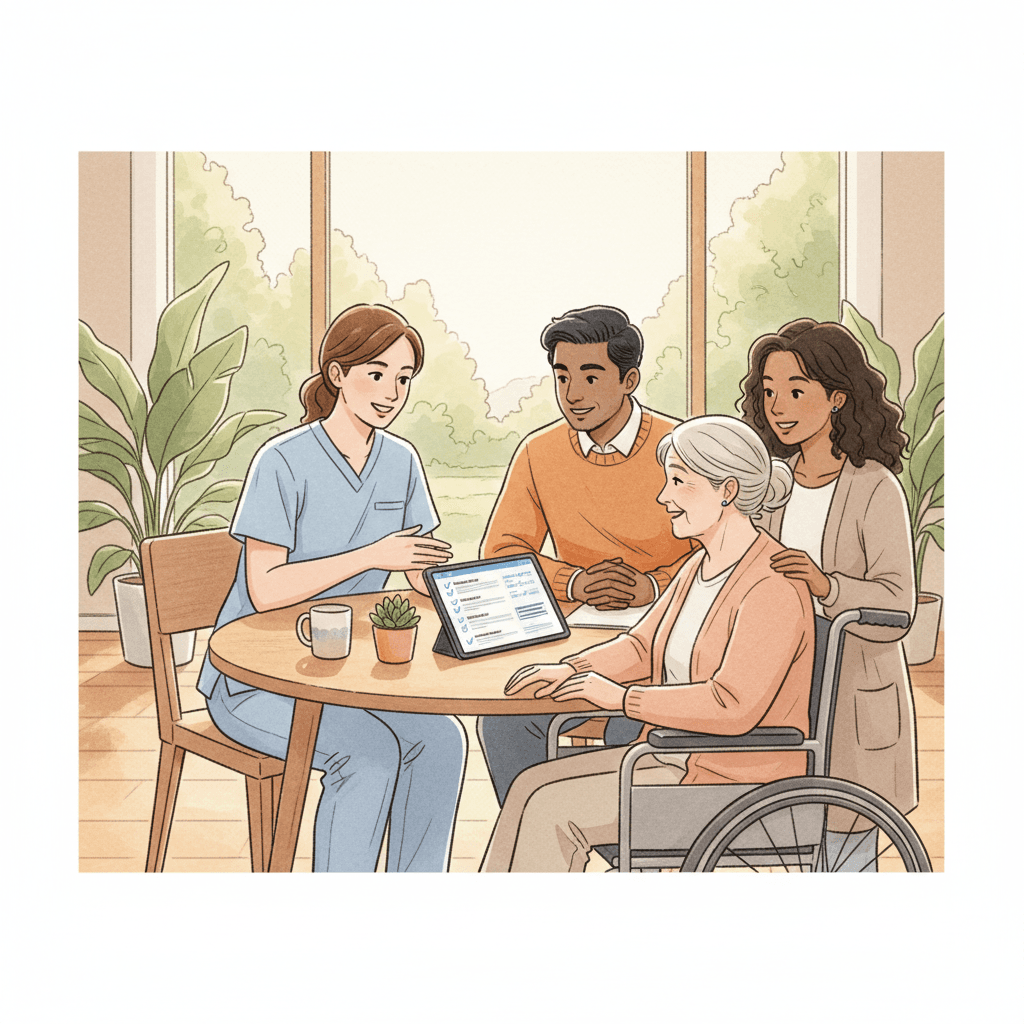
How to write care plans that satisfy regulators, guide staff, and genuinely serve residents — structured frameworks, required elements by jurisdiction, and the difference between compliant documentation and good documentation.
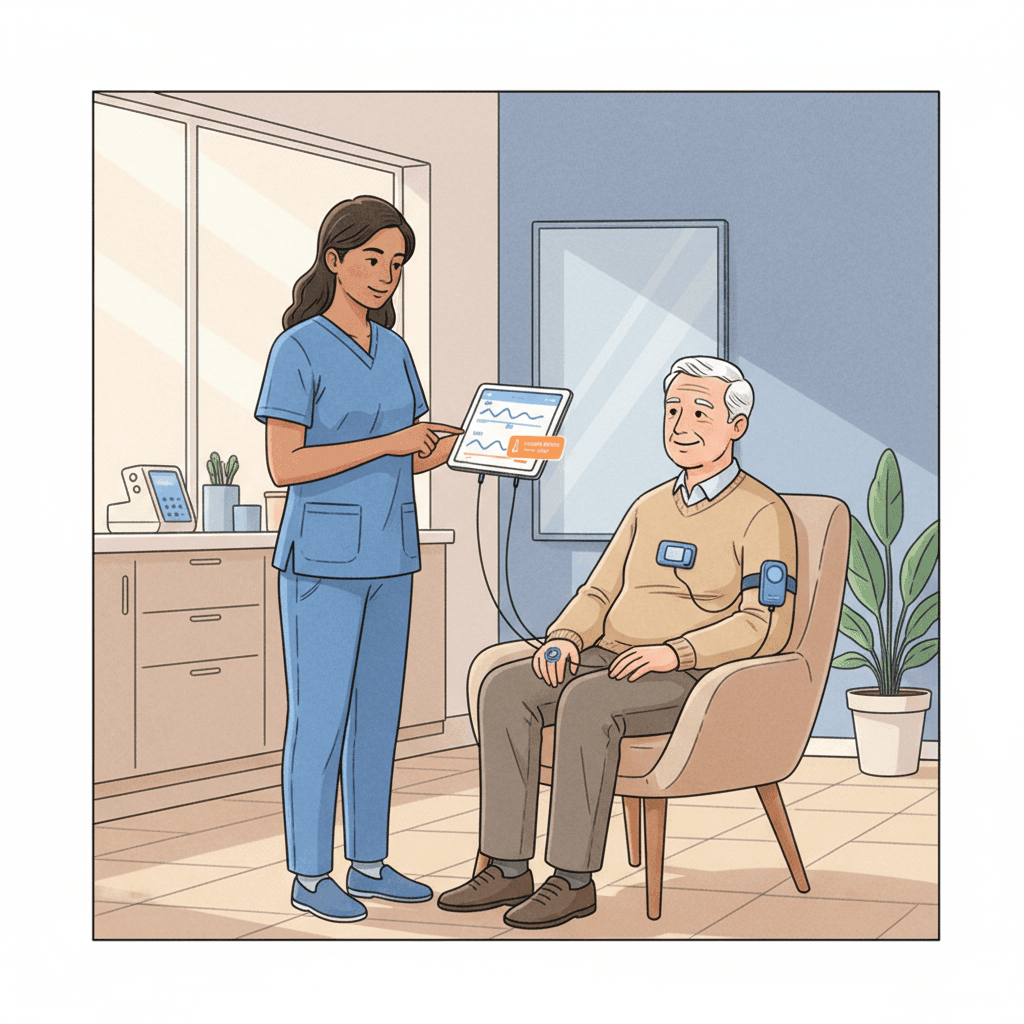
How residential care facilities implement vital sign monitoring programs with automated threshold alerts — evidence-based parameters, escalation protocols, and technology that catches clinical deterioration early.
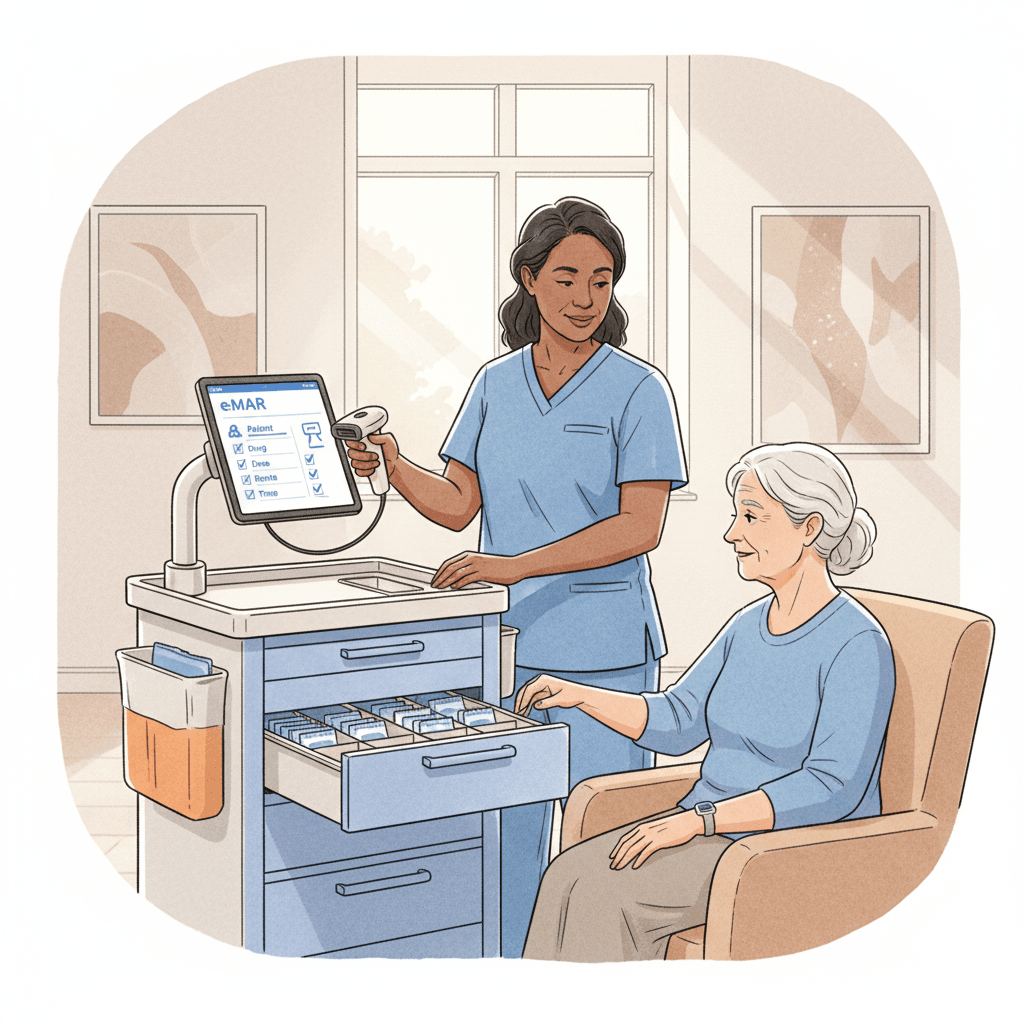
An evaluation guide for residential care providers selecting an eMAR system — essential features, integration requirements, compliance considerations, and what separates a good eMAR from one that creates more problems than it solves.
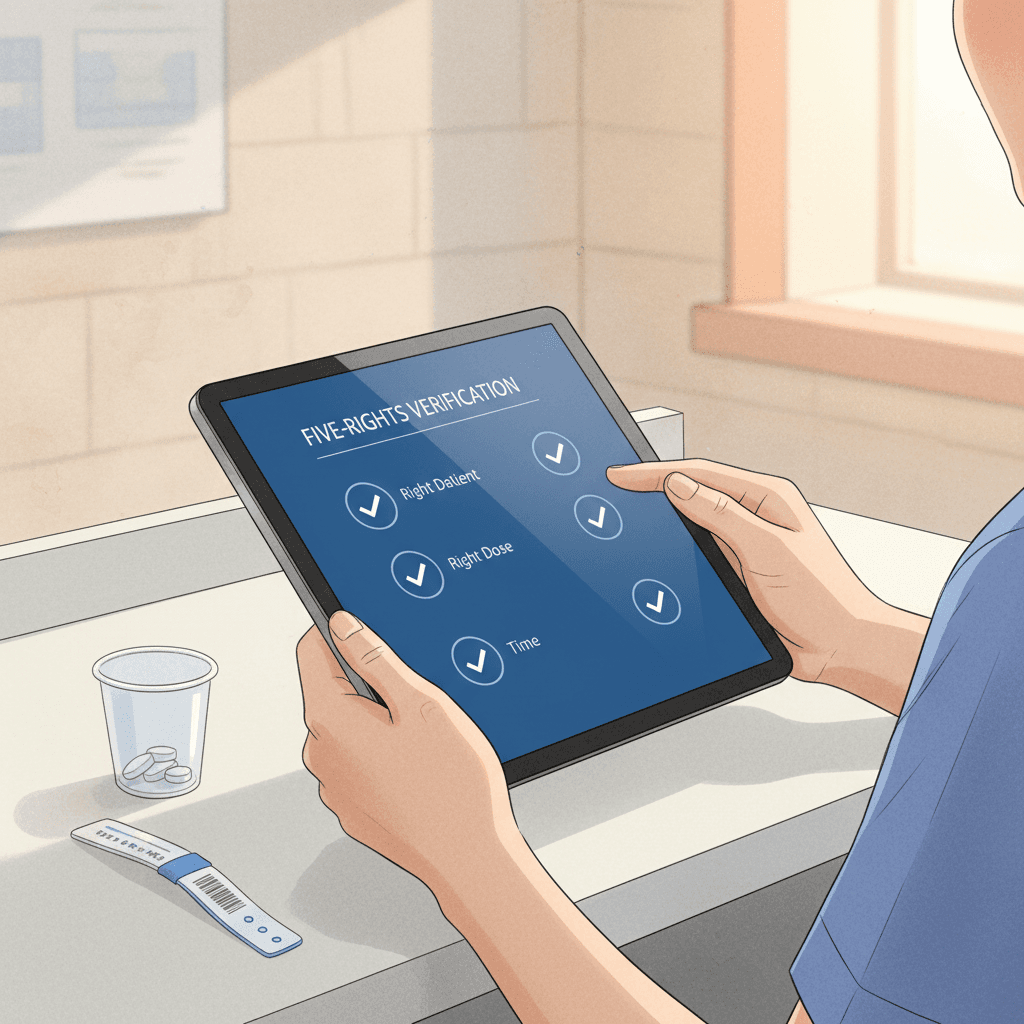
A comprehensive implementation guide for the Five Rights of medication administration in residential care — right patient, right drug, right dose, right route, right time — with verification protocols, technology support, and error prevention strategies.

Evidence-based clinical documentation standards for residential care — what to document, when, how to structure notes for defensibility, and how to maintain quality without drowning staff in paperwork.
How residential care leaders build genuine accountability — not blame culture — through clear ownership, transparent systems, and technology that makes doing the right thing the easiest thing.

A practical migration roadmap for residential care providers moving from paper-based processes to digital operations — phased approach, data migration, staff training, and avoiding the most common transition failures.

A structured evaluation framework for operations leaders selecting a residential care platform — 8 critical evaluation dimensions, weighted scoring methodology, and red flags that disqualify vendors.

A 5-level maturity model for residential care operations — from reactive crisis management to proactive, data-driven excellence. Assess where your organization stands and build a roadmap to the next level.

Evidence-based shift handoff protocols for residential care facilities — structured formats, critical information transfer, and technology tools that prevent the #1 cause of care continuity breakdowns.

A detailed guide to designing role-specific dashboards for residential care operations — what metrics each leader needs, how to avoid information overload, and how to turn data into daily action.

Practical strategies for residential care teams to cut documentation time by 40-60% while improving completeness, accuracy, and audit readiness — without compromising clinical safety.

How residential care operators build real-time visibility into incidents, documentation, staffing, and compliance across facilities — and why spreadsheets and email chains aren't enough.

A practical framework for multi-site residential care operators to standardize documentation, incident reporting, and care coordination across facilities while respecting local regulatory requirements.
Book a 15-minute demo and see how Harmony brings operational visibility, documentation quality, and compliance readiness to your care team.
